

“Come get me,” Joyce Echaquan pleaded on a Facebook livestream from Centre hospitalier régional de Lanaudière on Sept 28, 2020.
Her plea came as taunts and slurs were being directed to her from the hospital staff. All of this was recorded in the seven-minute livestream.
Dr. Anna Banerji, associate professor at the University of Toronto Dalla Lana School of Public Health, says she wasn’t shocked or surprised seeing the video live streamed by Echaquan.

“There are many Joyce Echaquans out there that experience overt racism,” Banerji said. “They assume automatically that it’s drugs or alcohol when it could be a stroke or heart attack or something else going on.”
What Echaquan experienced and recorded on video is not just an individual experience. What she went through is a much larger systemic issue in the Canadian health care system.
Racism in health care settings impacts patients and entire communities.
Dr. Josée Lavoie, professor in the Department of Community Health Sciences at the University of Manitoba and the director of Ongomiizwin Research, said racism impacts the health of Indigenous people in many ways. One of those, she said, is that many Indigenous people avoid seeking care as long as possible due to the fear of getting dismayed. She said this is due to personal experience of racism or based on historical discrimination.

“This is based on a history … and from personal experience, to expect discrimination, to expect to be treated in a way that does not feel safe,” Lavoie said.
While Lavoie believes not all cases of racism are overt, many are where the health care provider makes assumptions about a patient’s life just because they are Indigenous.
Something similar happened with Echaquan too. She arrived at the Centre hospitalier régional de Lanaudière by an ambulance on Sept. 26, 2020 with stomach pain. One of the potential diagnoses considered by the health professionals at the hospital was narcotics and cannabis withdrawal.
The prejudice that existed would follow her for the next two days leading up to the Facebook Live where Echaquan recorded the treatment she received. She would die moments after her livestream ended. On the same day, it was concluded she was not suffering from narcotics and cannabis withdrawal.
The autopsy suggested she died of pulmonary edema. Géhane Kamel, a Quebec coroner who investigated Echaquan’s death, said at a press conference that Echaquan would still be alive if she were white. Kamel classified this incident as systemic racism.
What is Systemic Racism?
The Ontario Human Rights Commission describes systemic discrimination as “patterns of behaviour, policies or practices that are part of the structures of an organization, and which create or perpetuate disadvantage for racialized persons.”
Madeleine Cole, a family doctor practising in Nunavut, said systemic racism is embedded in history.
An example of this would be the Indian Act, an act first introduced in 1876 mainly to assimilate Indigenous peoples into Euro-Canadian society.
Although amended many times since it was introduced, the act still exists.
Access to health care for many Indigenous people is determined by the regulations under this act.
“It’s complicated factors that lead to poor provision of care. Even if an individual health care provider might be kind and good, and doing their best if they’re working in a system that is set up sort of to fail or to give lower quality care, that’s systemic racism,” Cole said.
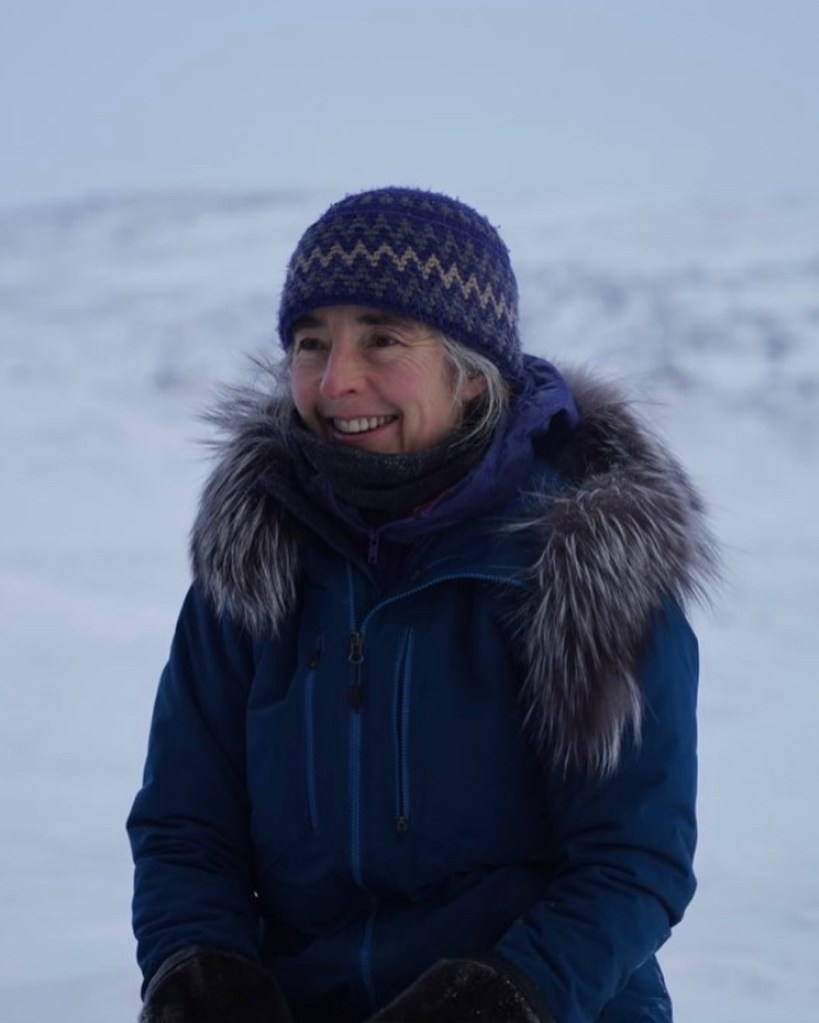
One of the major systemic issues in the Canadian health care system is how the resources are distributed.
Lavoie said the rural communities that are now classified as remote were not isolated before the colonial powers came to Canada. The resources were equally shared in the communities even in the North.
“They were never isolated before a colonial power decided to concentrate all resources and all economic activities close to the U.S. border,” Lavoie said.
“But those communities in the north, they were centers of economic system, when we relied on rivers. When we shifted to roads, colonial power put roads where it was more convenient to the colonial power, and that created isolation. So, isolation is a factor in systemic racism and that there’s poor access to resources and services”
This and a series of decisions and policies ever since have created a health care system that is not equal for every individual in Canada.
However, systemic racism is not just institutional and structural. There is also a pattern of individual racism and mistreatment at many Canadian health care institutions.
Alland Flamand, an Atikamekw man from Manawan, shared his experience of racism at the same hospital where Echaquan died. Flamand gave testimony to the Viens Commission, a commission established “to determine the underlying causes of all forms of violence, discrimination, or differential treatment with respect to Indigenous women and men when certain public services are delivered in Québec.”
Flamand went to the Centre hospitalier régional de Lanaudière to receive treatment for his back pain. However, his concerns were dismissed and he was sent back with just pain medications. The doctors did not perform adequate tests to diagnose the problem.
With no resolution of the pain, Flamand travelled to the hospital in Joliette again from his community of Manawan, a journey of almost 200 km. To make the journey, he had to request an ambulance from Manawan. The ambulance made him wait for eight hours.
After the diagnostic test such as the X-ray, Flamand was reassured that there was nothing wrong with his back and he was released from the hospital at night. This made it difficult for him to get transportation back to his home.
He eventually made a total of five visits to the hospital in a period of six months after no improvement in his back pain.
During his visits, his concerns were repeatedly dismissed and the dosage of the medicine was increased. Throughout this phase, Flamand was unable to work and was restricted in his daily activities.
On one of his visits, Flamand encountered a white man with a similar condition as his getting all the diagnostic scans on his visit to the hospital. On this visit, Flamand got taunted that he was there to get “narcotics” and he wasn’t sick. He was yet again sent back home after giving him narcotic treatment such as morphine, which made him barely comfortable enough to walk.
After five visits and worsening pain, Flamand decided to go to a different hospital located in Trois-Rivières. There, multiple diagnostic tests were performed by the doctors. The doctors performed an emergency surgical procedure on that visit itself.
An Atikamekw leader revealed in an interview with Radio-Canada there were numerous such cases of racism at the hospital in Joliette.
The Viens Commission in its final report stated, “it is clear that prejudice toward Indigenous peoples remains widespread in the interaction between caregivers and patients.”
This report published in 2019, almost a year before the death of Echaquan, talked about the impacts of such incidents of racism on an individual.
“Beyond the immediate impacts on the person who is sick, the insecurity-generating experiences of individuals and families lead to an underuse of services by the entire Indigenous population. This worsens crises, delays screening and impedes the delivery of care, particularly in cases of chronic, serious or mortal illnesses,” the report stated.
Yet the experience of Flamand in 2017 and Echaquan in 2019 have many parallels and highlight the systemic issue of racism at the Centre hospitalier régional de Lanaudière.
Institutional systemic racism in the Canadian health care system
According to the Canada Health Act, the health of Canadians is a provincial and territorial responsibility. However, the Indian Act puts the responsibility of health of Indigenous people on the federal government.
Veronica McKinney, director of Northern Medical Services, said, “Which system of health care you have access to, depends on what your race is.”
This issue gets even more complex when the lack of access to health care and health care services in Indigenous communities is taken into account.
McKinney said the misconceptions and the lack of awareness of the Indian Act among the general population does not help either.
“The thought … in the general community population is, oh, you get things for free,” she said. “The reality is you’re limited to certain things, and it limits in ways that people don’t really realize.”
McKinney explains how an Indigenous person would have to travel long distances from their community to get some immediate essential medical treatment or they have to wait till a doctor visits their community.
And even when they have to travel for medical treatment, they have to do so from a transportation system approved by the Non-Insured health Benefits (NIHB) program.
“There are limitations within a system that don’t allow people to have the same access to services that others do,” McKinney said.
“We also have to recognize that the health care system is set up in a way … that was really premised on a colonial system,” McKinney said. “It doesn’t take into account a lot of these, you know, people that fall outside of that system.”
NIHB program provides coverage to eligible Indigenous people, determined by the Indian Act, for drugs, dental and vision care, medical supplies and equipment, mental health counselling and medical transportation. However, many times a lot of paperwork is required to claim the coverage and this in turn also delays the access to the service.
“That could definitely be considered a structural, systemic racism kind of thing because a non-Indigenous person not using NIHB, especially if they’re educated and have money and live in a big centre, can basically go buy that thing at the pharmacy the next day or the same day,” Cole said. “And that’s not possible for a lot of particularly rural, remote or poor people, regardless of whether they’re Indigenous or not, but definitely for Indigenous people.”
Cole said this is an example of a system that may be well intentioned to provide services. However, it is not well equipped to provide things in a timely manner and slow to respond to changes in care needs. And these are the things that determine health care outcomes.
“These are incredibly important things, you know, to live well and be healthy,” she said.
Also, factors beyond the health resources contribute to health care outcomes. The isolation of Indigenous communities after colonization has created numerous conditions that ultimately factor in the health determinants of people living in these communities.
Factors such as lack of resources and services, lack of properly equipped education create a chain reaction according to Lavoie.
“It’s harder to leave your community, it’s more expensive to live in your community and economic activities have been taken away from your community. So, that breeds poverty,” Lavoie said.
“And then because it’s harder to access services, then there’ll be delays in accessing care. It’s harder to recruit teachers to teach the sciences in northern communities. So, many kids that graduate from grade 12 may not have the same science teachings or educational level that I had. And so, their ability to compete and enter into university or other programs is undermined.”
Lavoie said this in turn impacts employment opportunities as well.
“And all of those factors converge towards creating greater health inequalities,” she said. “They then blame them for what’s going on with them as if we had a level playing field, as if what I can call as access to resources is universally distributed across Canada, which we know is not right.”
Apart from this, access to what kind of food an individual gets also impacts the health of a person. The lack of infrastructure, lack of resources and poverty result in bad health outcomes for many Indigenous people.
McKinney said due to disproportionate people living in poverty, the access to a healthy diet is very limited. She said this was not the case traditionally for Indigenous people.
“The other thing that I think about with that is our traditional diets were very healthy … fish oils, and, you know, wild meats, and you know, berries, and what would be considered more of a low carb diet or even may be a ketone diet,” she said. “But when you are living in poverty, what you have access to are very high levels of carbohydrates and pastas and rice and, you know, various food stuff like that, which really are very difficult on many people’s systems.”
McKinney said this kind of diet impacts people with pre-existing medical conditions such as Diabetes even more.
“So, when you don’t have a choice about what you’re eating or how you’re eating, it makes it very difficult to be able to use your food in order to help along with your health,” McKinney said.
McKinney further said that doctors should be considerate before prescribing a particular diet to people. She said it is important to consider how and where a person living in an Indigenous community would be able to access that food and how much it would cost them. She said it is important for health care providers to understand the barriers that exist in the first place.
“I think we have to be a lot better at really being open to hearing what some of these issues are and really looking at working with community to find ways to address some of these issues,” McKinney said.
Prejudices and assumptions lead to widespread racism
Another determining factor for systemic discrimination is a pattern of racist behaviour.
McKinney said there are many biases and prejudices that people have against Indigenous people.
Giving an example, McKinney said statistically Indigenous people are more vulnerable to health conditions such as diabetes or obesity, which creates a stereotype that Indigenous people are lazy and overweight. Things such as the social determinants of health are not considered before making this judgement. McKinney said these negative assumptions lead to poor health care for Indigenous people.
Artem Safarov, director of health policy and government relations at the College of Family Physicians of Canada, agrees that stereotypes lead to bad outcomes.
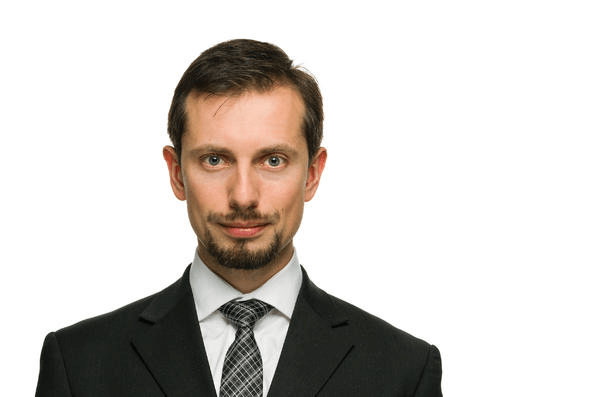
“Indigenous people experience this systemic racism in a way that people make presumptions about their life circumstances,” he said.
“There are many harmful stereotypes around Indigenous people. Particularly often about their use of substances, about their mental health, about their addiction status. And instead of providing the same kind of quality care that will be afforded to other patients in a practice, often many of these presumptions manifest themselves in the way that healthcare providers and healthcare staff interact with Indigenous people.”
Artem said this leads to lack of trust among Indigenous people in the health care system.
Some of the myths that exist among health care workers are also very paradoxical and yet many people believe those myths.
“There’s a lot of myths about Indigenous people that they go seek care for the smallest ache or that they wait too long to access healthcare,” Lavoie said. “And you can’t be both, right? But the myth is used in a health care encounter depending on what is presenting, to discount the concerns.”
Lavoie gives an example on how first an Indigenous patient’s concerns are dismissed and they are just treated with a Tylenol and then when their condition worsens, they get scolded for being neglectful.
Such incidents further build more assumptions about Indigenous people according to Lovie.
“If all you see is people that are in crisis, you may assume that they’re all in crisis. And then you may question why is this that the Indigenous people are always in crisis, where my people are not. Must be something wrong with them. And that’s how prejudice gets reinforced,” Lavoie said.
Many times, the health care professionals are not even aware about how their assumptions may harm a patient.
Lavoie said many doctors make the decision about the treatment when they are seeing an Indigenous patient instead of giving them options of treatment.
She said many times when a patient needs a kidney transplant, a doctor may offer dialysis based on some assumptions that they may have and make the decision themselves instead of explaining all the options to the patient
“So, differential access to care that is based on good intentions, that are very paternalistic, that I will not have to encounter. I will be treated like an adult who can make my own decision and decide whether something is appropriate or not for me,” Lavoie said. “That may not be afforded to Indigenous patients.”
Racism determines health care outcomes in individuals
The racist attitudes towards Indigenous people in the health care system produces extreme outcomes. The deaths of Joyce Echaquan and Brian Sinclair have been well documented. The racism they experienced in Canadian hospitals before their death contributed to their deaths.
“Those are, you know, regrettable, unacceptable outcomes,” Safarov said, referring to the Echaquan and Sinclair incidents. “But they show what kind of attitudes sometimes permeate the health care system.
“The case of Joyce Echaquan that has happened much more recently also shows us that … instead of being able to receive compassionate care, was made fun of and mocked as she laid basically dying on a hospital bed,” Safarov said.
Beyond immediate care, racism or perceived racism also affects preventative health diagnostics. Lack of trust in the health care system or the fear of getting treated badly can prevent an individual from getting regular health checks too. This can in turn result in late diagnostics of certain medical conditions.
“If you thought someone’s racist, you don’t trust them. All that has the ability to affect the treatment, or the lack of treatment that someone gets,” Banerji said.
“Indigenous people with cancer, they tend to get diagnosed with cancer much later in their illness … So, the outcomes are poor people, Indigenous people will tend to die more,” she said.
Banerji said all of these factors have resulted in a breakdown of trust in the health care system among Indigenous people.
Another example of systemic failure resulting in bad health outcomes is the high infection rate for a lower respiratory tract infection in Inuit babies.
“Inuit babies in the Arctic, they have the highest rate of admission for a virus called RSV,” Banerji said. She said every year many infants are transported to hospitals out of their communities due to lack of resources.
“There’s a vaccine that can prevent them from being admitted. These babies have higher rates of admission than the babies in the south that are able to get the vaccine,” Banerji said. “And yet, in the Arctic, they’re not able to get the vaccine.”
Banerji said she has an online petition advocating for access of the vaccines for Inuit babies but yet the issue is largely being ignored. The online petition has received more than 200,000 signatures.
She said if this virus were determining health outcomes in non-Indigenous children in the South, it wouldn’t be tolerated.
“It’s cheaper to give the vaccine to them than to pay for all these medevacs,” Banerji said. “And yet, nothing happens.”
Importance of Cultural Safety Training
Cultural safety training is being regarded as an important step in solving this multifaceted problem of systemic racism in the health care system.
Andrew Leyland, manager of analytics, and clinical transformation initiatives at Doctors of BC, said cultural safety training is important as cultural safety as an outcome of health care is important for any individual.
“It’s important that we strive toward that in the system, which essentially means, you know, having a space where patients feel safe and comfortable, feel like they can disclose their health issues with their providers and can, you know, move through the system in a way that is equitable, that is fair, that is safe,” Leyland said. “And cultural safety training is one of the ways in which we get to that goal.
“It’s one way that we help providers understand some of the unique issues that Indigenous patients may be facing and to understand their role and how they can help provide a space that is safe and comfortable and clinically excellent for their patients.”
Leyland said, adding it is also important to monitor metrics after cultural safety training to see how effective it is and to monitor the cases of adverse events and reported racism.
Safarov also believes that training of future health care professionals is really important. He said lessons on culturally sensitive and culturally appropriate care are being introduced in many medical health curriculums. Safarov said that the challenge currently is training the people who are already practicing and are not in health care schools.
Another important aspect in cultural safety training is having the perspectives of Indigenous voices included in the curriculum.
“Making sure that Indigenous voices are heard and supported and listened to is really a very foundational step in making sure that, you know, steps in the right directions can be taken,” Safarov said.
The federal government announced in Jan. 2021 a funding of $4 million to National Consortium for Indigenous Medical Education to “Reform and update the assessment and education of physicians, including the development of anti-racism curricula and resources on cultural safety, create anti-racism tools and resources, including but not limited to, guidelines and training modules that support anti-racism policies and processes, support the recruitment and retention of Indigenous physicians and medical faculty and support wellness for Indigenous physicians.”
However, the training of non-medical staff in the health care system wasn’t mentioned in this initiative, which is a problem.
Lavoie said racism is not limited only to the physicians or nurses. The clerk in the hospital, the security staff in the emergency room, paramedics and the emergency response teams also need to be trained for cultural safety.
“And so, unless there’s a more broader approach to anti indigenous racism, we’re going to miss the mark. And frankly, the clerks are the people that nobody ever thinks about, but they are basically the people that decide whether you get to see your doctor or not,” she said. “They also need to understand how to engage with patient in a respectful manner. And I’ve never heard of training to be interpreted that way.”
Lavoie said the push for cultural safety education is good but the curriculum too has its own challenges.
“Without cultural safety also being trauma informed, without cultural safety being associated with a critical reflection on one’s own socialization, and one’s own sorts of prejudice, … I think we’re going to, we’re going to fall short significantly,” Lavoie said.
Indigenous led health care initiatives are crucial in building equity
One of the mandates of the National Consortium for Indigenous Medical Education is to recruit and support Indigenous physicians and medical faculty.
Along with this step, consultation with Indigenous communities is also important.
“When we think of primary care and when we think of health, I think we need to really go back to communities and to the people and find out what that would look like for them to really be able to incorporate our traditional ways,” McKinney said. “And look at how do we approach this and it will be variable for each person and for each community.”
“It’s always interesting to me that, you know, I work with patients who are very disadvantaged in many way, and many of them have never had access to their own culture even.”
McKinney said that teaching health care providers about Indigenous culture is in a way “privileging the already privileged.”
“We really need to support our community people to be able to learn about the culture and to find strength in their culture if that’s what they want,” she said. “But to be able to have some of those options that really meeting people where they are and allowing people that opportunity to have choice and understanding of what’s going on … because I really believe many times the community knows what they need”
One of such initiatives is being exercised in Quebec. The federal government announced a funding of $2 million to the Conseil de la Nation Atikamekw and the Conseil des Atikamekw de Manawan, community of Echaquan, in Feb. 2021. The funding was provided to the community to help with the advocacy in implementing the Joyce’s Principle, a call to action from the community that “requires the recognition and respect of Indigenous people’s traditional and living knowledge in all aspects of health.”
This initiative is led by Atikamekw.
“So, the community now is leading some essential work in Quebec to address anti-Indigenous racism, which is commendable,” Lavoie said.
However, Lavoie notes this is just one nation in Quebec that is funded to reform the health care system. She said there are 10 provincial and three territorial health care systems in Canada with different challenges and problems and different and diverse communities. Due to this, she said, it is hard to gauge the impact this may have.
Every community has its own unique problem and it is important to understand the particular issues each of them have.
McKinney said this makes it crucial to listen to these communities.
“I think we have to be a lot better at really being open to hearing what some of these issues are and really looking at working with the community to find ways to address some of these issues,” she said. “Are there other things that we could be doing to better support people?”
She said it is important to create equity in the health care system for everyone.
“Not everybody is starting from the same place. So, by treating people equally, you’re actually still not accounting for those differences that exist,” McKinney said. “So, by ‘treat people equitably’, the idea is that we meet people where they are, that we support everybody to be able to have this, you know, to have the health that they deserve.”
Banerji also said it is important to understand particular barriers and particular need of different communities to create equity.
“You need to compensate for policies that are differentially targeting one, one group of people versus another group of people,” Banerji said. “And so, you know, find out what are the barriers that certain people face and how do you overcome that.”
“You have to understand how these things become barriers and then … What can you do in a real way to address them,” she said.
Learning from the incidents so that they don’t happen again is necessary
There are numerous incidents of racism in the Canadian health care system that do not get the public outrage or attention. The incidents that do get the attention do not always lead to real change.
This is something that happened after the death of Brian Sinclair.
Sinclair died in the waiting room of Winnipeg’s Health Sciences Centre waiting to be treated for 34 hours without receiving any treatment.
According to a testimony at the inquest on his death, Sinclair was observed on at least 17 occasions. Despite being alerted by many people in the waiting room, nursing staff did nothing and eventually Sinclair died of what was later deemed as a treatable ailment.
However, the inquiry into his death produced very little in terms of system’s transformation according to Lavoie, who is also a member of Brian Sinclair Working Group.
“Part of it is because the inquirer refused to address the issue of racism,” she said. “They just thought that it was because he was not seen by the health care providers in emerge. Even though over 34 hours, many patients were seen, but somehow, he was invisible, which never made any sense to any of us.”
Lavoie said after the death of Echaquan, the inquest in her death classified it as systemic racism and because of that, there is some momentum towards real change.
“It’s tragic that somebody else has to die. And she’s probably not the only one that died, but she’s the only one who filmed it and made it publicly available so that it cannot be denied,” Lavoie said.
The implementation of the Truth and Reconciliation Commission’s (TRC) Calls to Action is important
The Truth and Reconciliation Commission proposed 94 Calls to Action in 2015. Seven Calls to Action were directly related to health. The health care Calls to Action are – recognize and implement the health-care rights of Aboriginal people; identify and close the gaps in health outcomes between Aboriginal and non-Aboriginal communities; recognize, respect, and address the distinct health needs of the Métis, Inuit, and off-reserve Aboriginal peoples; provide sustainable funding for existing and new Aboriginal healing centres; recognize the value of Aboriginal healing practices and use them in the treatment of Aboriginal patients; increase the number of Aboriginal professionals working in the health care field; require all medical and nursing students to take a course dealing with Aboriginal health issues.
Banerji said it is important for every Canadian and every health care provider in Canada to read the TRC report.
“If Canadians read it, that would be the first step towards really understanding what’s going on,” she said. “If they really want reconciliation, they need to read the report.”
Lavoie too says Canadians need to recognize the discriminatory history of Canada.
“Every Canadian has to take responsibility for the legacy that our country has bestowed upon Indigenous people by virtue of colonialism and systemic inclusion and so on and so forth,” she said.

 Hansil Mehta
1 Comment
Comments are closed.